
What to Expect During a Comprehensive Eye Exam
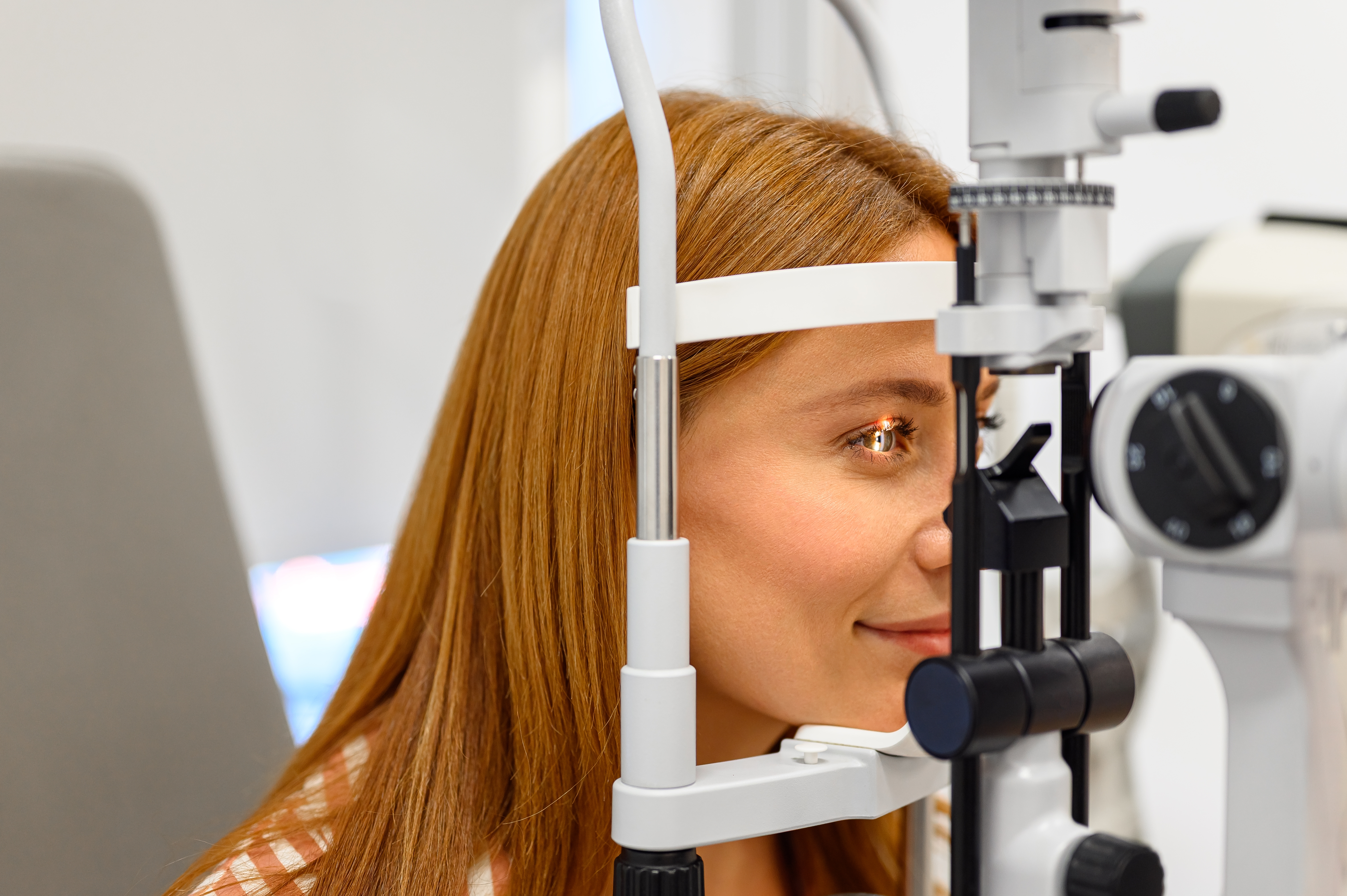
A comprehensive eye exam is more than a quick vision check. It gives your eye doctor a detailed look at how well you see, how your eyes work together, and whether there are early signs of eye disease. Even if your vision seems clear, routine eye exams can help detect changes before they begin affecting your daily comfort, safety, or long-term eye health.
At Brighton Eye Care in Falmouth, comprehensive eye exams are designed to support patients of all ages with personalized care, updated prescriptions, and guidance for maintaining healthy vision.
Reviewing Your Vision Needs And Health History
Your exam usually begins with a conversation about your vision, lifestyle, medical history, and any symptoms you may be experiencing. This may include blurry vision, headaches, eye strain, dry eyes, trouble driving at night, or changes in how you see up close.
Your eye doctor may also ask about medications, family history of eye disease, screen use, and health conditions such as diabetes or high blood pressure. These details help guide the exam and make sure your care is tailored to your needs.
Testing How Clearly You See
One of the most familiar parts of a comprehensive eye exam is vision testing. This helps determine whether you need glasses or contact lenses, or whether your current prescription needs to be adjusted.
Your optometrist may check your distance vision, near vision, focusing ability, and how well your eyes work together. If you already wear glasses or contacts, your current prescription may be reviewed to see whether it still supports clear, comfortable vision.
Evaluating Eye Function And Comfort
A complete exam also looks at how your eyes move, focus, and respond to light. These tests can help identify issues that may contribute to headaches, eye fatigue, double vision, or difficulty reading.
During your visit, your doctor may evaluate:
- Eye focusing and tracking
- Depth perception
- Eye pressure
- Pupil response
- Peripheral vision
- Signs of dry eye or irritation
These steps help create a fuller picture of your eye health, not just your prescription.
Checking For Eye Disease
Comprehensive eye exams are important because many eye conditions can develop without obvious symptoms at first. Conditions such as glaucoma, cataracts, macular degeneration, diabetic eye disease, and retinal concerns may not cause noticeable vision changes in the early stages.
Your optometrist may examine the front and back of the eye, including the retina and optic nerve. Depending on your needs, additional imaging or testing may be recommended to monitor eye health more closely.
What Happens After The Exam
After your exam, your eye doctor will explain the results and discuss any recommended next steps. This may include a new glasses or contact lens prescription, treatment for dry eye, follow-up testing, or routine monitoring. If your eyes are healthy, your doctor will let you know when to schedule your next eye exam based on your age, risk factors, and vision needs.
See clearly and feel confident about your eye health - schedule your comprehensive eye exam with Brighton Eye Care in Falmouth, ME by calling 207-797-2990.
See clearly and feel confident about your eye health - schedule your comprehensive eye exam with Brighton Eye Care in Falmouth, ME by calling 207-797-2990.

All Eye
Care Services

Keep
In Touch

Bayside Eyecare

At Bayside Eyecare, we provide the highest quality eye care to all our patients. We are dedicated to helping you improve and maintain your vision in a comfortable environment. When you visit our office, your vision is our top priority.
© 2026 Bayside Eyecare. All Rights Reserved. Accessibility Statement - Privacy Policy - Sitemap
